ROLE
PRODUCT DESIGNER
TIMELINE
8 WEEKS
TEAM
3 DESIGNERS
TYPE
CONCEPTUAL PROJECT
INTRODUCTION
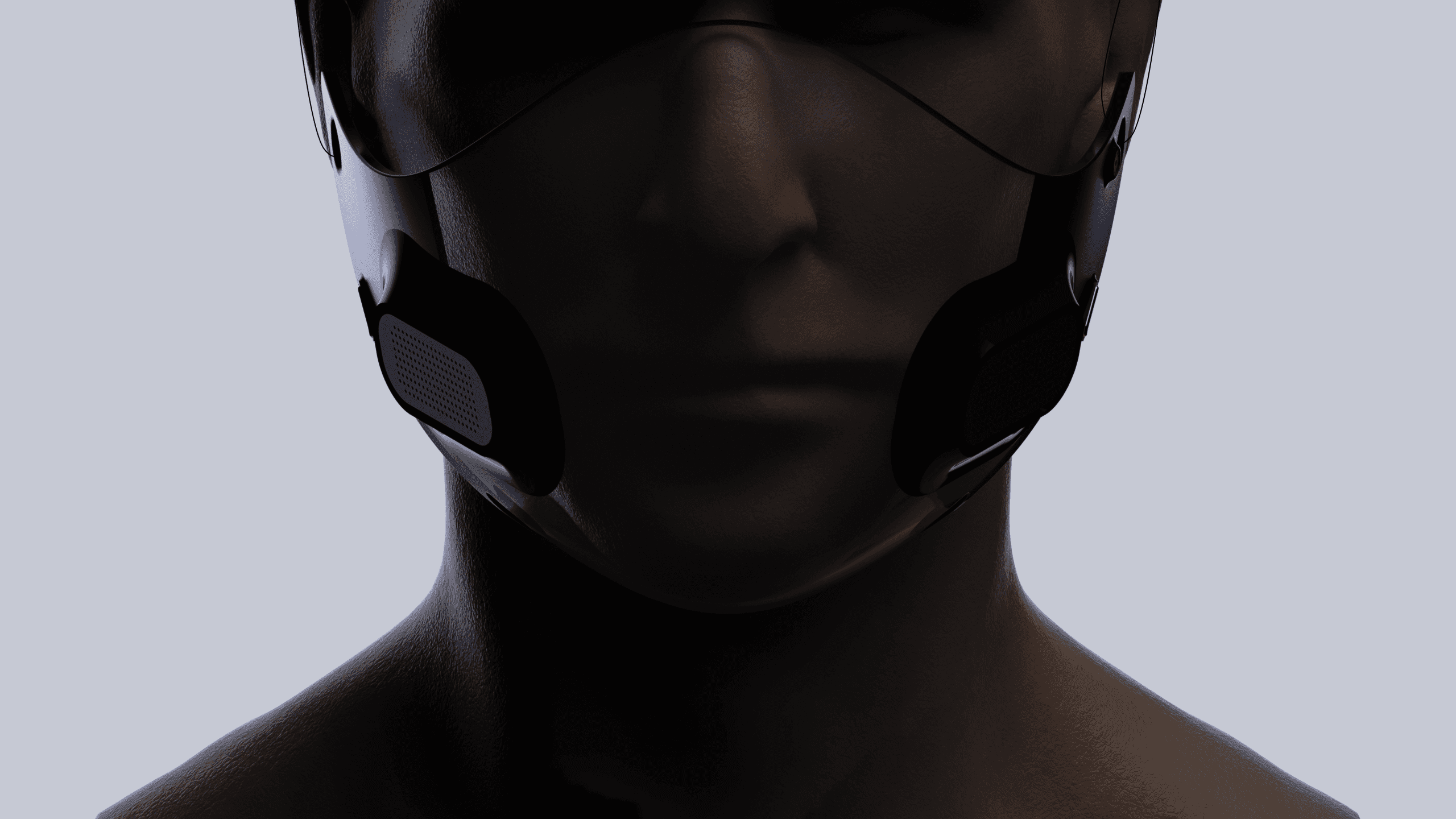
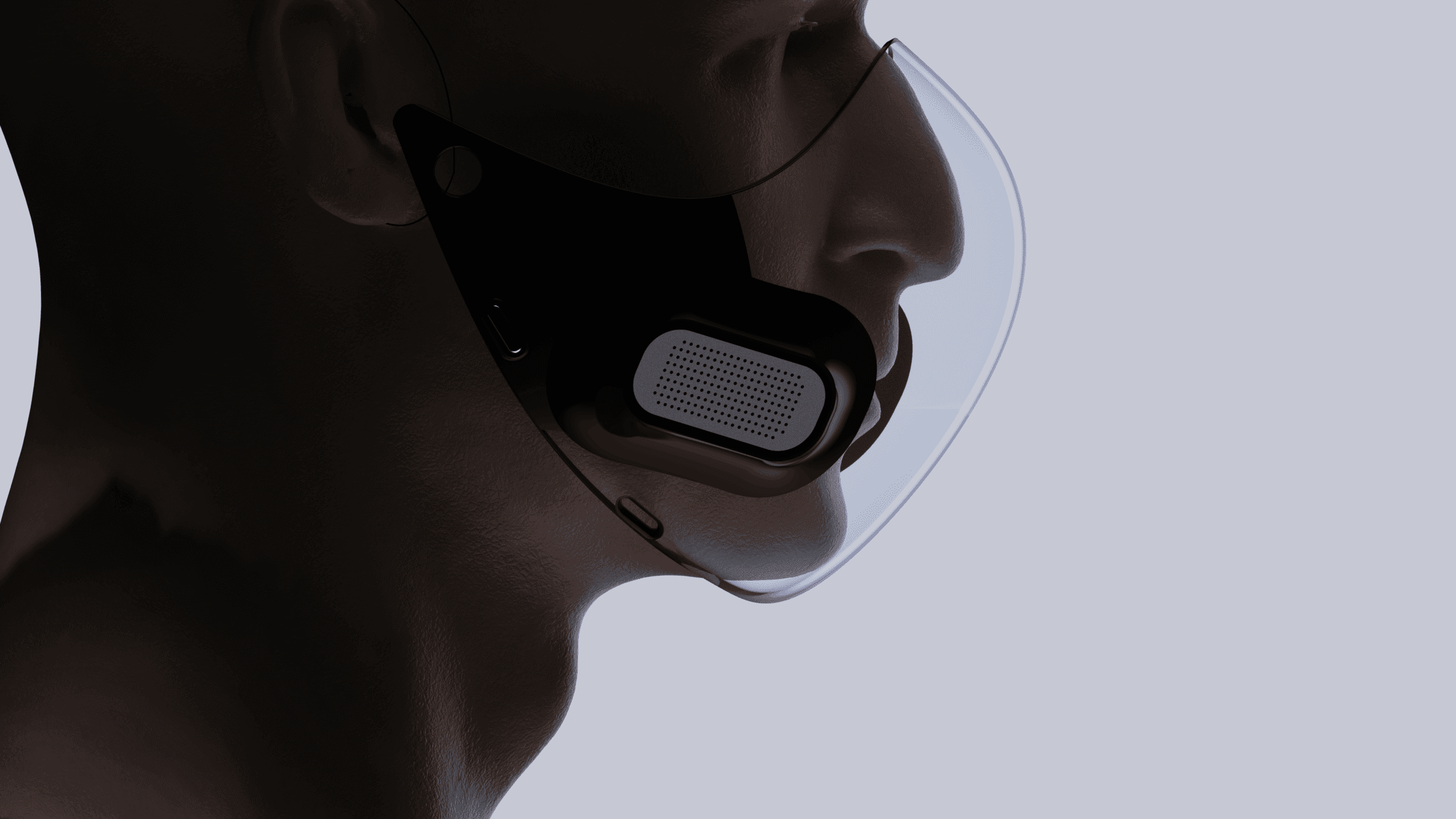
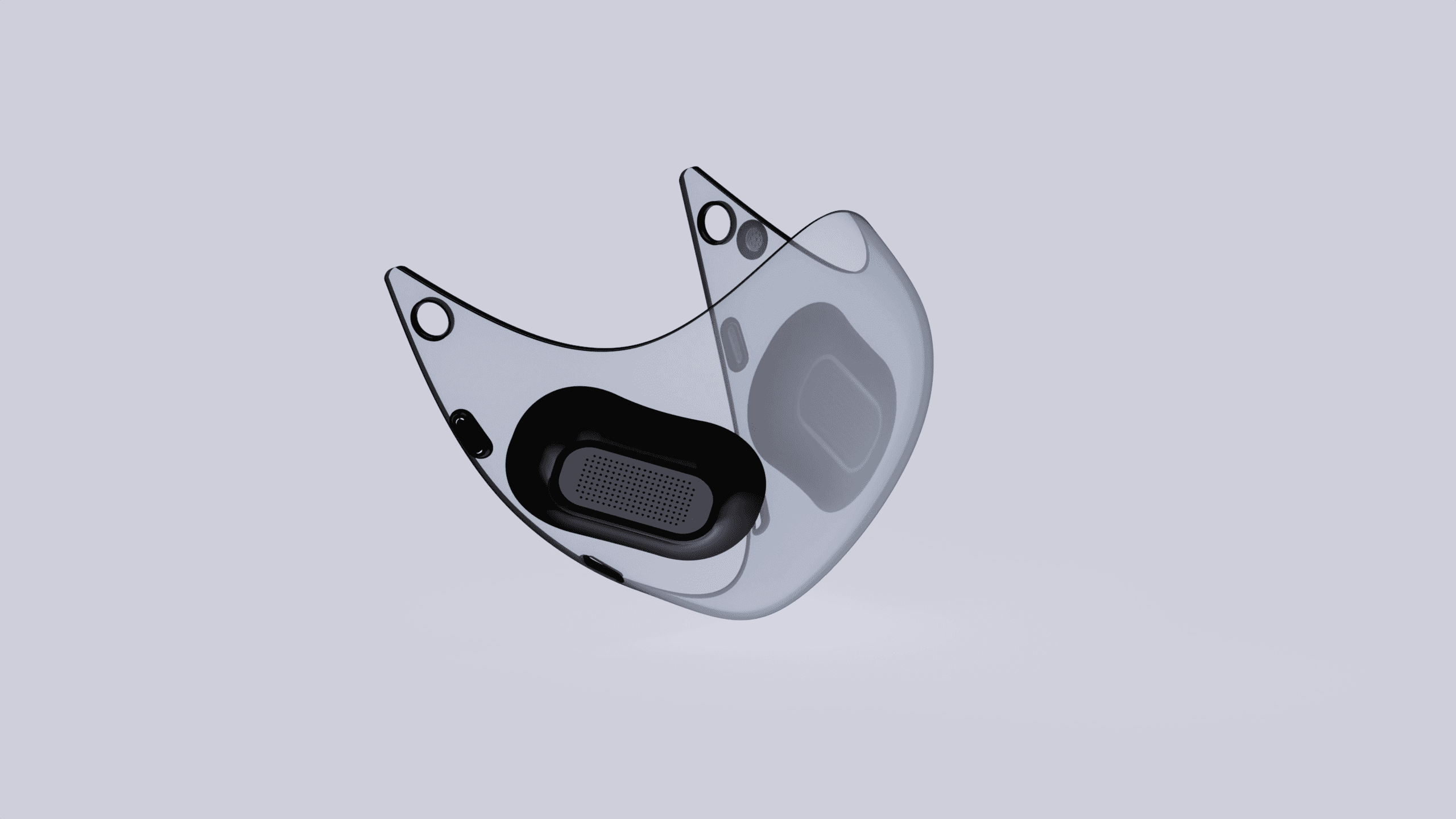
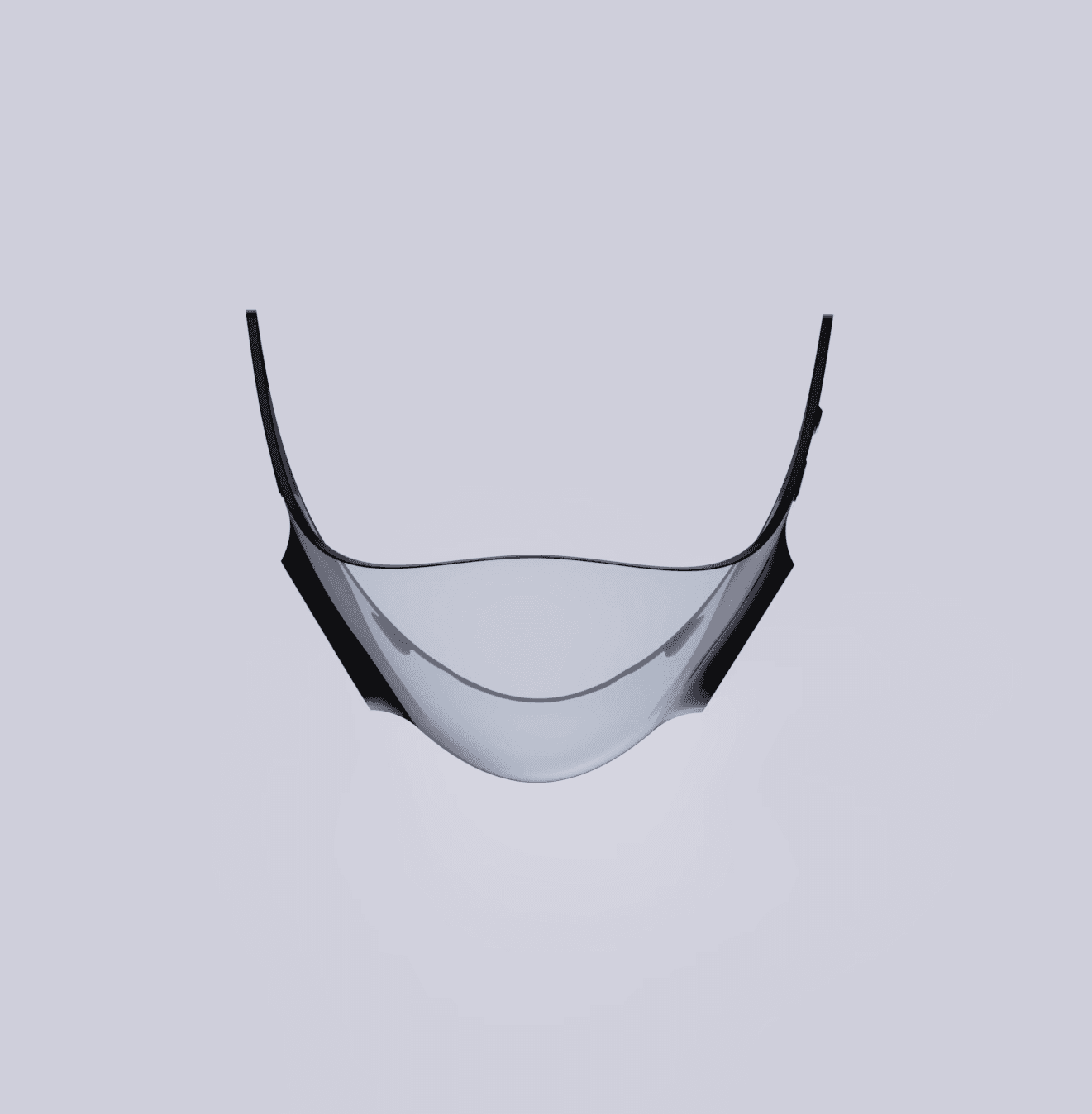
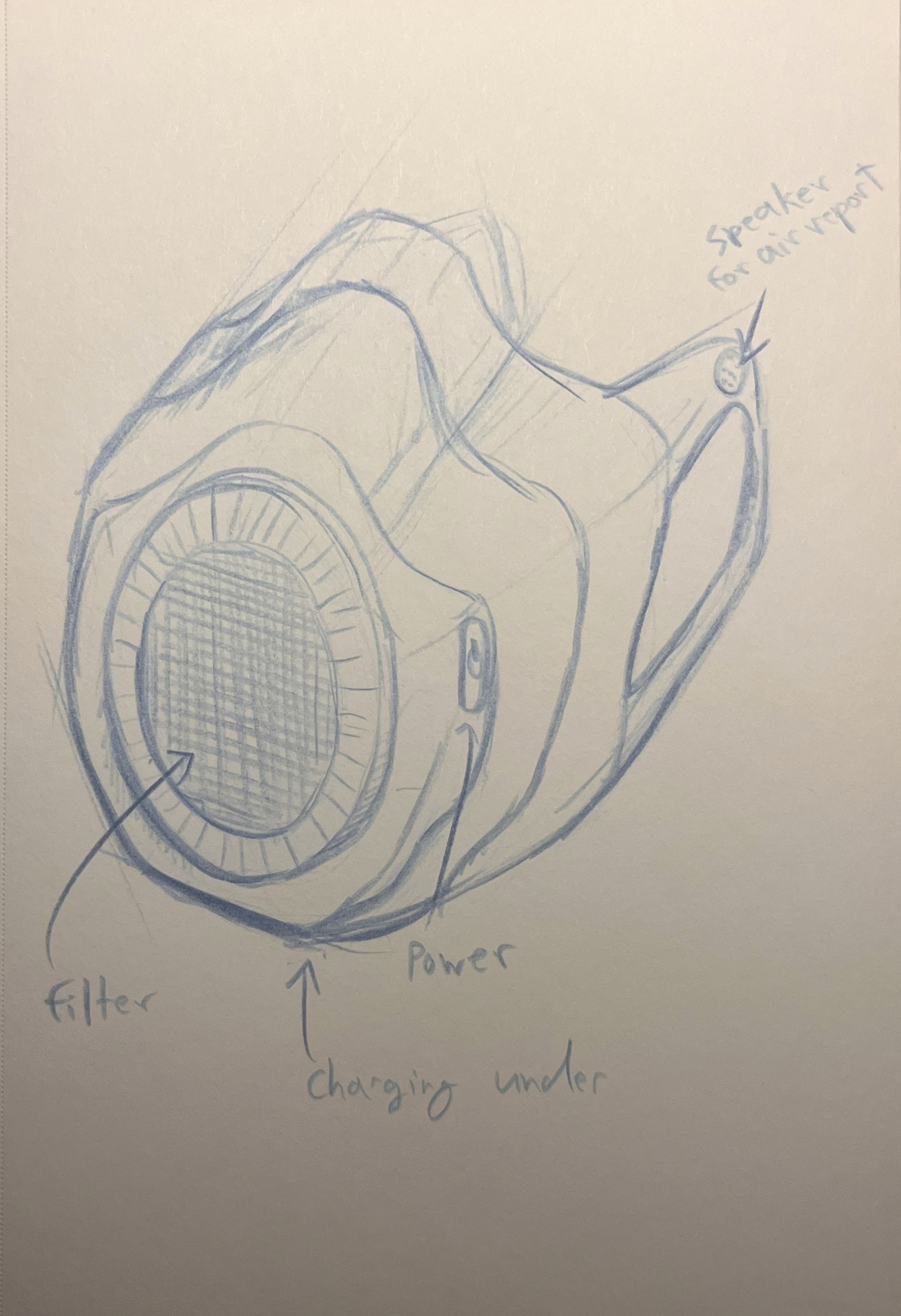
Designed for city living, this intelligent mask monitors air quality, filters pollutants, and provides instant feedback. It goes beyond ordinary protection by keeping you informed and secure with every breath. Experience effortless peace of mind and fresh air—making your journey through urban spaces healthier and more confident.
PROBLEM
Urban residents and individuals who have respiratory vulnerabilities face increased exposure to particulate pollution, mold, and airborne allergens that undermine respiratory health and the daily wellbeing and productivity of these people. While air monitors traditionally exist as stationary devices and masks function as passive barriers, neither alone provides real time feedback, informational metrics, or emotional reassurance.
SOLUTION
With RESPY, users get intuitive, real-time airborne risk updates for smarter decisions. This wearable shifts people from passive exposure to active prevention, replacing uncertainty and anxiety with meaningful insights and gentle feedback. More peace of mind, less invisible risk.
RESEARCH
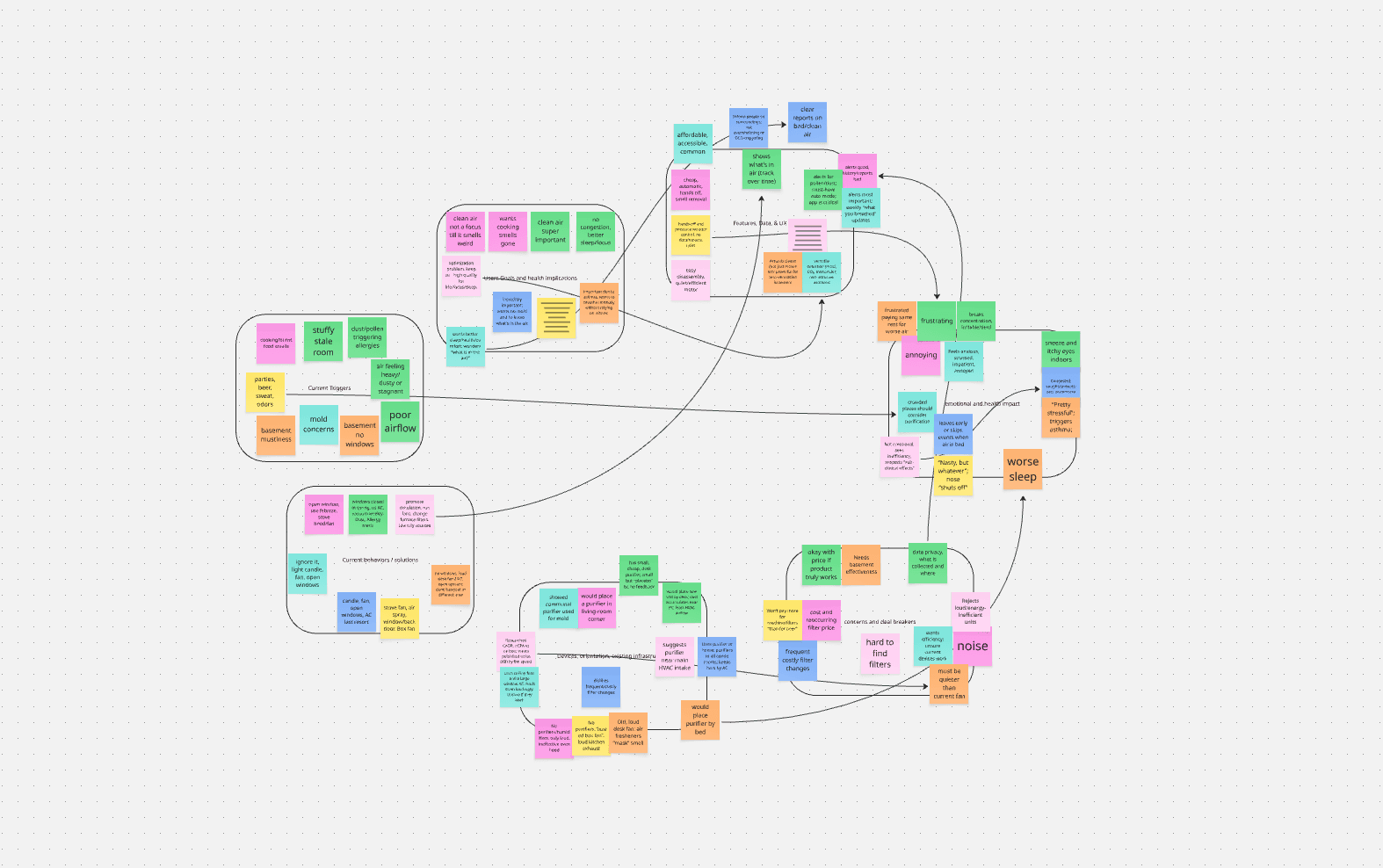
User interviews revealed that individuals desire an air purifier that’s trustworthy, affordable, and quiet. Must balance measurable health-focused performance, non-intrusive alerts, portability, and accessible filter maintenance.
DESIGN SPRINT
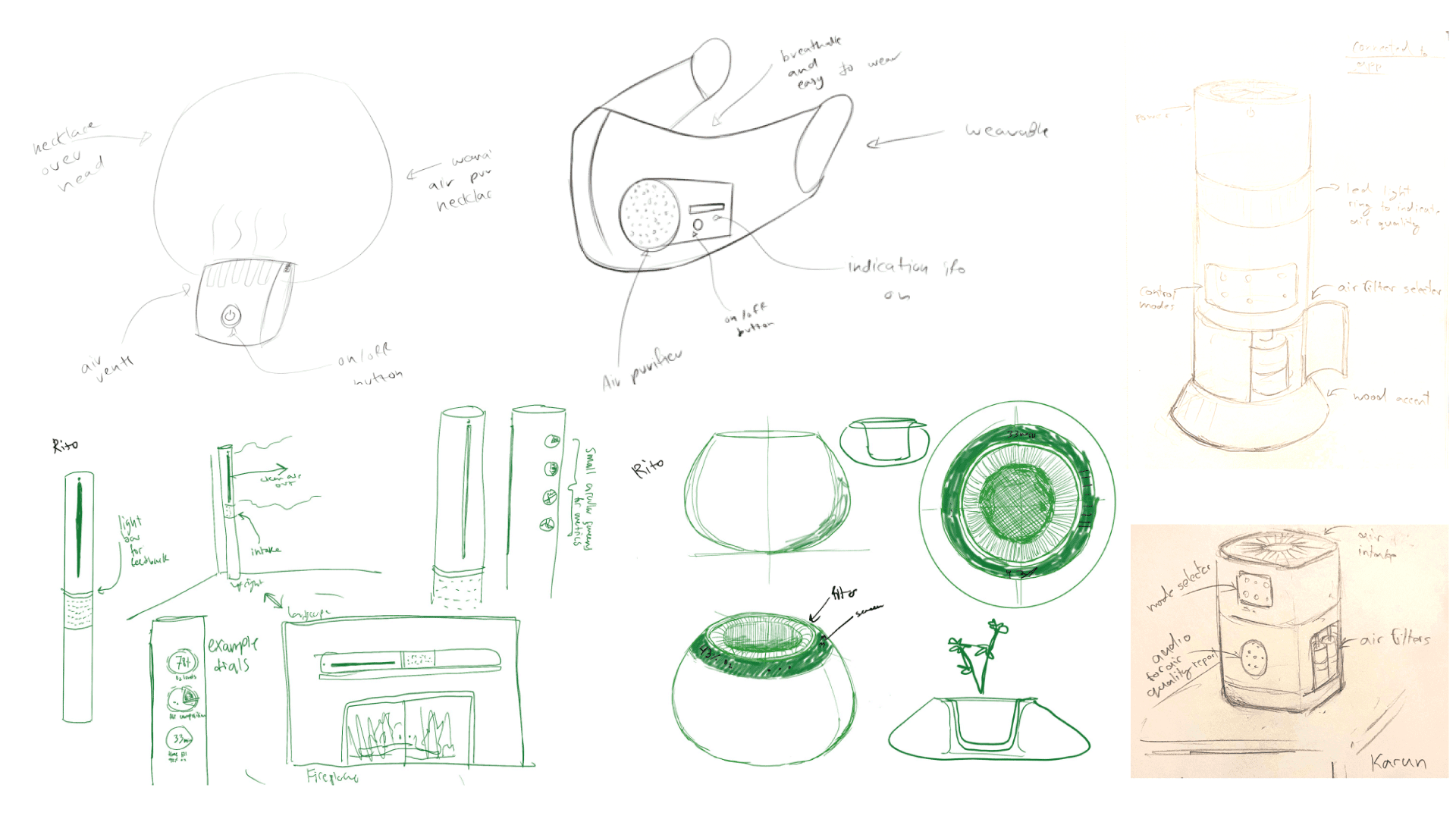
The sprint began with broad exploration, where our team investigated multiple directions through collaborative brainstorming, rough sketching, and comparative analysis.
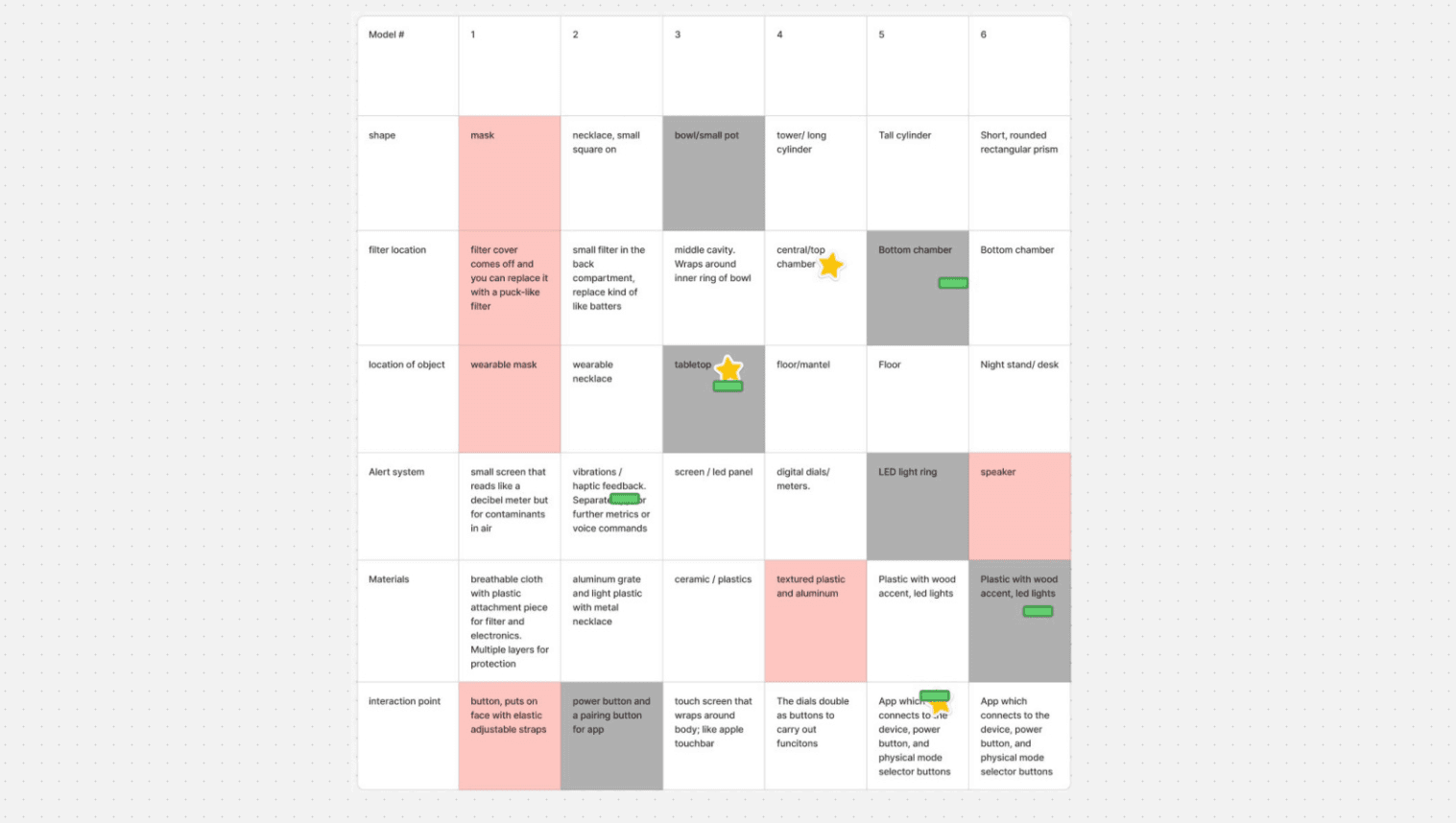
Our team compared multiple air purifier concepts, analyzing design, user interaction, and functionality to guide our final solution using a Morphological Chart.
STORYBOARD
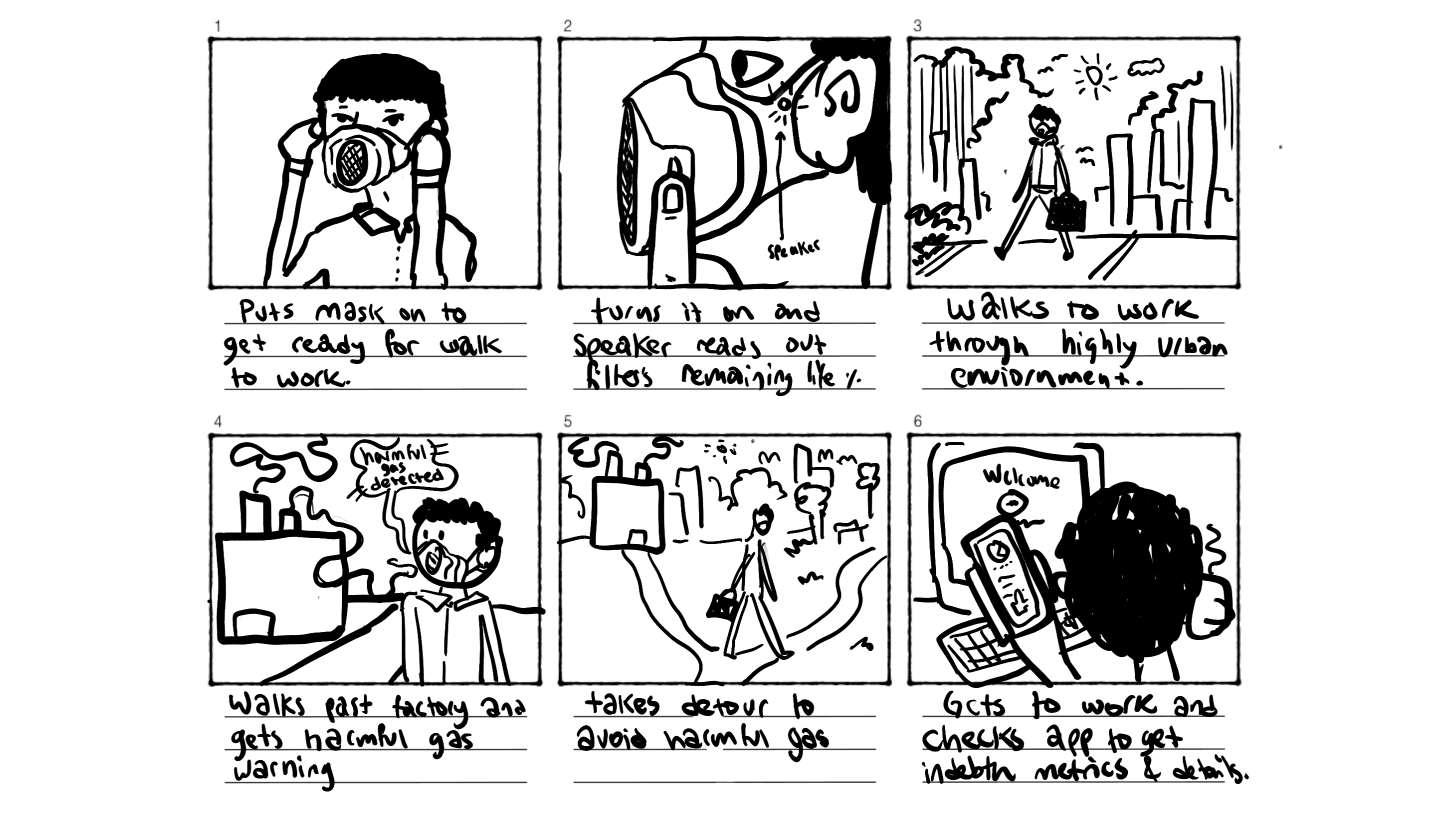
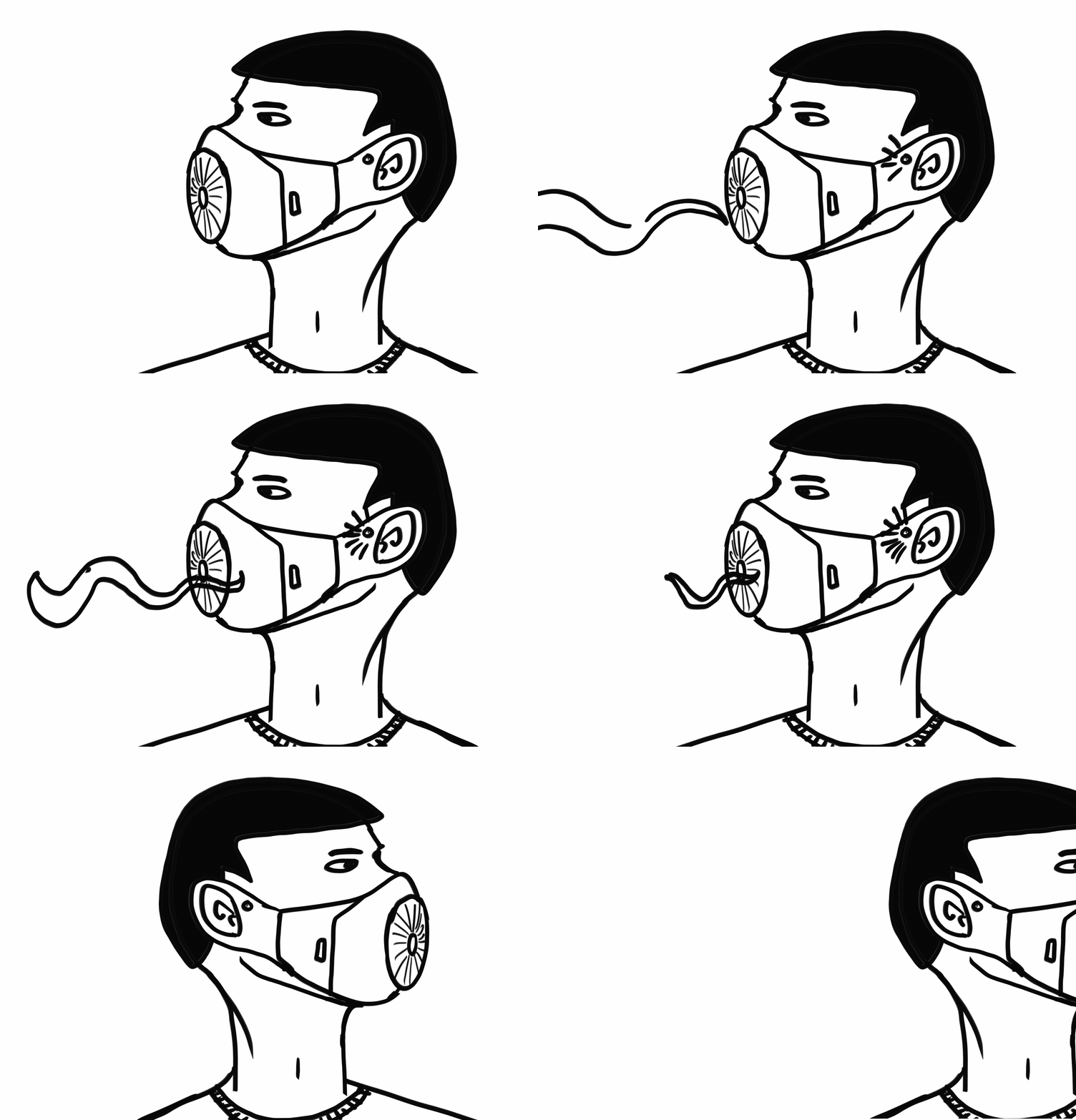
This storyboard illustrates a user’s daily commute with a wearable smart mask, highlighting moments where real-time gas detection, audible alerts, and adaptive route choices keep the user safe. It ends with seamless access to personalized air quality insights through a companion app.

PROTOTYPING
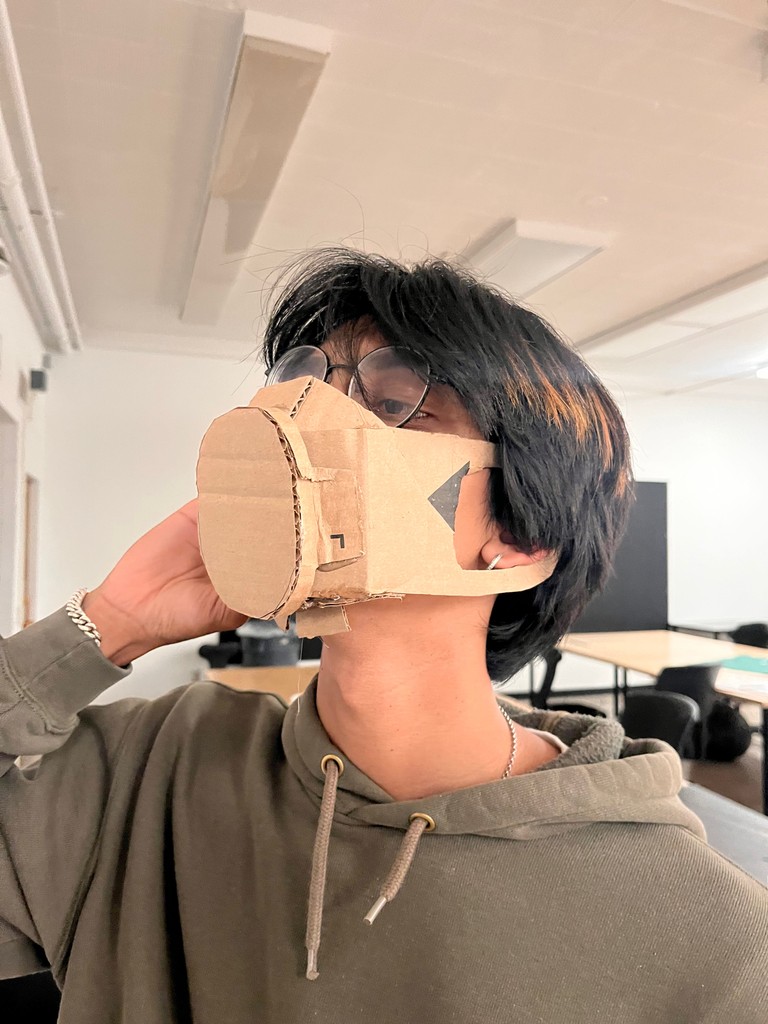
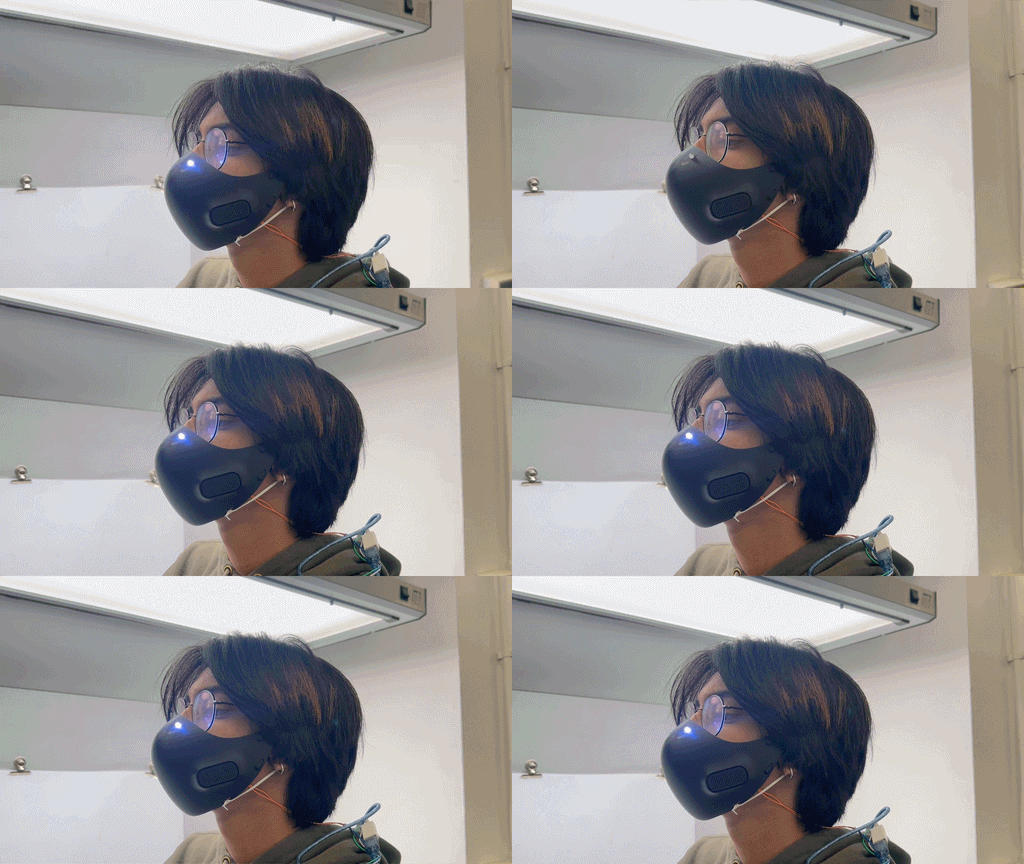
We used cardboard and an Arduino board to rapidly prototype and test the concept. This hands-on approach allowed us to quickly explore functionality, gather user feedback, and refine design details before developing more advanced iterations.

After a heuristic evaluation, several usability issues were identified in the mask device, including poor system status visibility, unclear alerts, insufficient user control, and lack of documentation. Solutions such as colored LEDs, haptic feedback, clear icons, a snooze button, battery indicators, improved fit, and system diagnostics are recommended to enhance user safety, clarity, and confidence.
So, we redesigned something better.
APPLICATION
The companion app seamlessly connects with the wearable mask, providing users with real-time air quality data, alerts, and detailed health insights. It empowers individuals to monitor their environment, receive personalized safety recommendations, and track exposure trends over time for better-informed decisions and improved well-being.
The air quality timeline feature allows users to select different time frames—day, week, month, year, or all—to visualize exposure trends. Real-time data from the wearable mask syncs with the app, empowering individuals to monitor their environment,
The comprehensive monitoring dashboard empowers users to make informed decisions about their respiratory health by visualizing environmental data across three integrated sections. Users can track particulate matter and climate conditions, understand atmospheric composition in real-time, and identify specific pollutant threats—all synchronized with their wearable mask to receive personalized safety alerts and actionable recommendations for protecting themselves in varying air quality conditions.
REFLECTION
During the 8-week project, I collaborated with two teammates from diverse backgrounds. While the process came with unexpected challenges, it pushed us to grow both individually and as a team, resulting in a product we're incredibly proud of!
If I had more time, I would…
Actually build a working prototype: Right now, the mask is just a physical mockup made from cardboard and fabric. I'd love to work with Arduino and actual air quality sensors to create a functional prototype that could transmit real data to the app. Getting hands-on experience with hardware-software integration would help validate whether this concept could actually work in the real world.
Test with real materials: I'd experiment with breathable fabrics and different filter systems to figure out what's actually comfortable to wear for extended periods. The current prototype looks good but doesn't address practical concerns like moisture buildup or how heavy the sensors would be.
What I learned…
Design for health is tricky: It's one thing to design an app interface, but another to consider medical accuracy and user trust. We had to be careful not to overpromise what a student project could deliver while still showcasing the concept's potential impact on respiratory health awareness.
NEXT
UXINDEX